Venue Acoustics Shaping Number-Calling Rhythms in Traditional Bingo Halls
Jonas Schulz · Oct 11, 2026
Venue Acoustics Shaping Number-Calling Rhythms in Traditional Bingo Halls
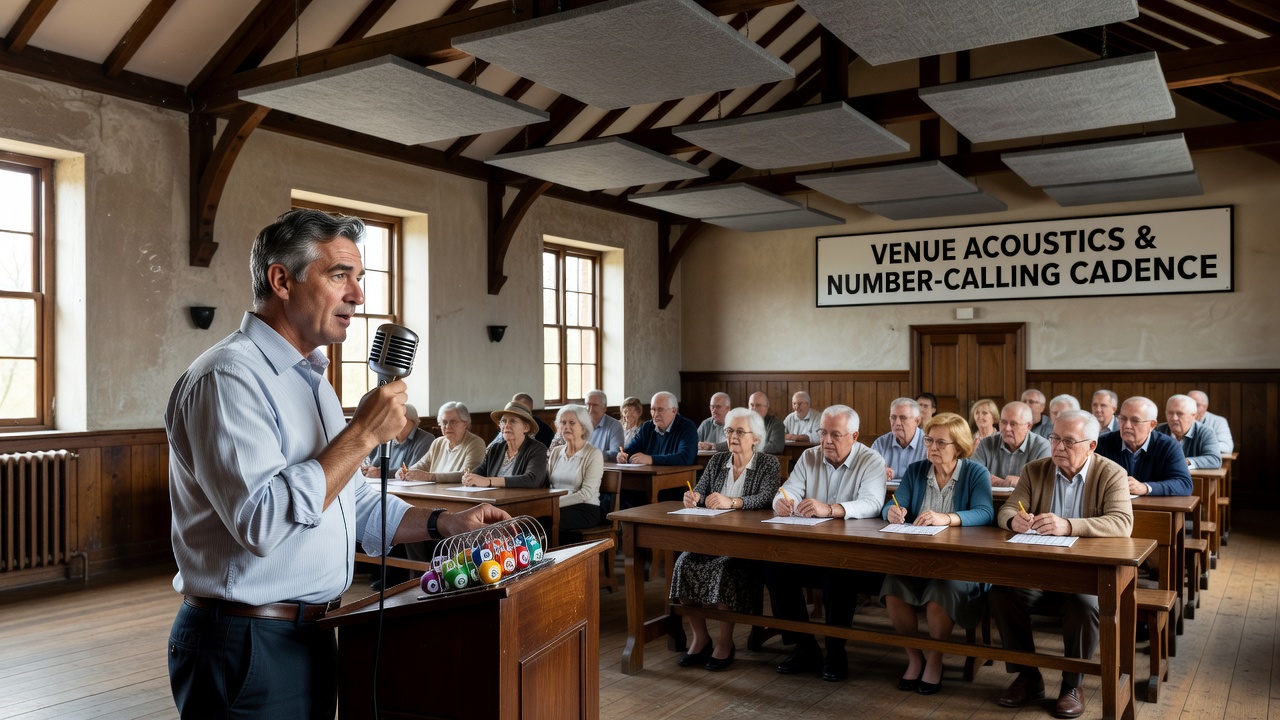
Traditional bingo sessions in physical halls depend on clear communication between callers and players, where the physical properties of the venue directly influence how numbers reach participants. Researchers have documented that room dimensions, surface materials, and seating layouts determine sound reflection patterns, which in turn affect the pace at which callers deliver numbers. Data from venue studies indicate that halls with high ceilings and reflective walls produce longer reverberation times, prompting callers to extend pauses between announcements to maintain intelligibility.
Sound Propagation in Enclosed Bingo Spaces
Acoustic measurements taken across multiple hall configurations reveal consistent relationships between venue design and auditory clarity. Hard flooring combined with minimal absorption panels creates conditions where sound waves bounce repeatedly before dissipating, while softer furnishings and acoustic treatments reduce these echoes. Observers note that callers adjust their delivery speed in response to these environmental cues, slowing their cadence in more reverberant rooms to prevent overlap between consecutive numbers and player responses.
Studies conducted in North American and European venues show that background noise from conversations, chairs scraping, and ventilation systems further complicates transmission. When ambient sound levels rise, callers often increase volume and insert additional intervals, a pattern confirmed through recordings analyzed by acoustics specialists. These adjustments preserve the structured rhythm required for fair play while accommodating the specific acoustic profile of each location.
Cadence Adjustments Across Different Hall Types
Callers working in older community centers frequently encounter plaster walls and wooden floors that amplify certain frequencies, leading them to adopt measured pacing that allows each number to register before the next begins. In contrast, modern facilities equipped with carpeted areas and suspended ceilings demonstrate shorter reverberation, permitting faster delivery without loss of comprehension. Records from session logs indicate that average intervals between numbers range from 4.2 seconds in treated spaces to 6.8 seconds in untreated halls during peak attendance periods.
Regional variations appear in data collected from Australian community venues, where outdoor noise intrusion through open windows influences calling tempo during evening sessions. European halls with dense seating arrangements show similar patterns tied to audience density, as larger crowds generate additional sound absorption that can shorten perceived echo duration. Callers report these environmental factors through standardized training programs designed to standardize communication effectiveness regardless of physical setting.
Technological and Design Interventions
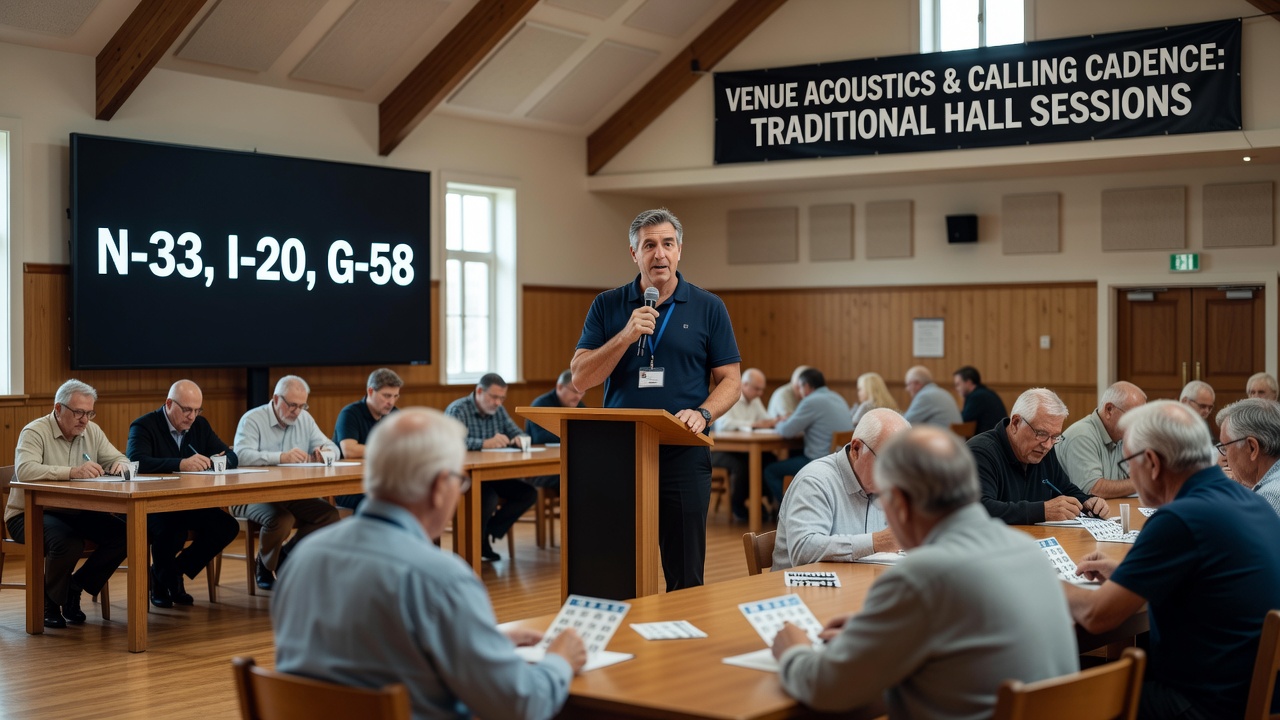
Venue operators have introduced targeted modifications to address acoustic challenges that affect calling cadence. Installation of directional speakers and digital sound processors allows precise control over how announcements travel through space, reducing the need for manual tempo adjustments. Research published by the Acoustical Society of America demonstrates that such systems can decrease average interval times by up to 18 percent while maintaining player accuracy rates above 95 percent.
Additional interventions include strategic placement of absorption materials along side walls and ceilings, which dampens problematic reflections without altering the traditional atmosphere of the hall. Data collected in October 2026 from multiple sites participating in an international acoustics monitoring project showed measurable improvements in number recognition following these upgrades. Operators in Canadian provinces have adopted similar approaches following guidelines issued by provincial gaming authorities, confirming that controlled environments support consistent calling rhythms across sessions.
Player Experience and Session Outcomes
Player response times serve as practical indicators of how effectively acoustics and cadence interact. When reverberation interferes with number clarity, participants require additional seconds to mark cards, which extends overall game duration and alters prize distribution patterns. Session statistics compiled by industry groups in Australia and New Zealand reveal that halls with optimized acoustics complete standard 90-ball games an average of 7 minutes faster than comparable untreated venues.
Training materials developed for callers emphasize recognition of acoustic feedback loops, teaching them to monitor audience reactions and adjust delivery accordingly. These protocols, refined through collaboration with sound engineers, ensure that number-calling remains audible and rhythmic even as attendance fluctuates throughout an evening. Figures from participating halls indicate sustained player retention when communication clarity remains high, underscoring the operational value of addressing acoustic variables proactively.
Conclusion
Venue acoustics and number-calling cadence maintain a measurable relationship in traditional bingo halls, with physical space characteristics dictating the timing and clarity of announcements. Continued monitoring through projects such as the October 2026 acoustics initiative provides operators with evidence-based methods to refine both environments and delivery techniques. These developments support consistent session flow while preserving the core structure of hall-based play across diverse geographic locations.