Bingo's Shift from Paper Cards to App-Based Play: Tracking Changes in Number Selection and Social Dynamics
Drew Carter · Nov 22, 2026
Bingo's Shift from Paper Cards to App-Based Play: Tracking Changes in Number Selection and Social Dynamics
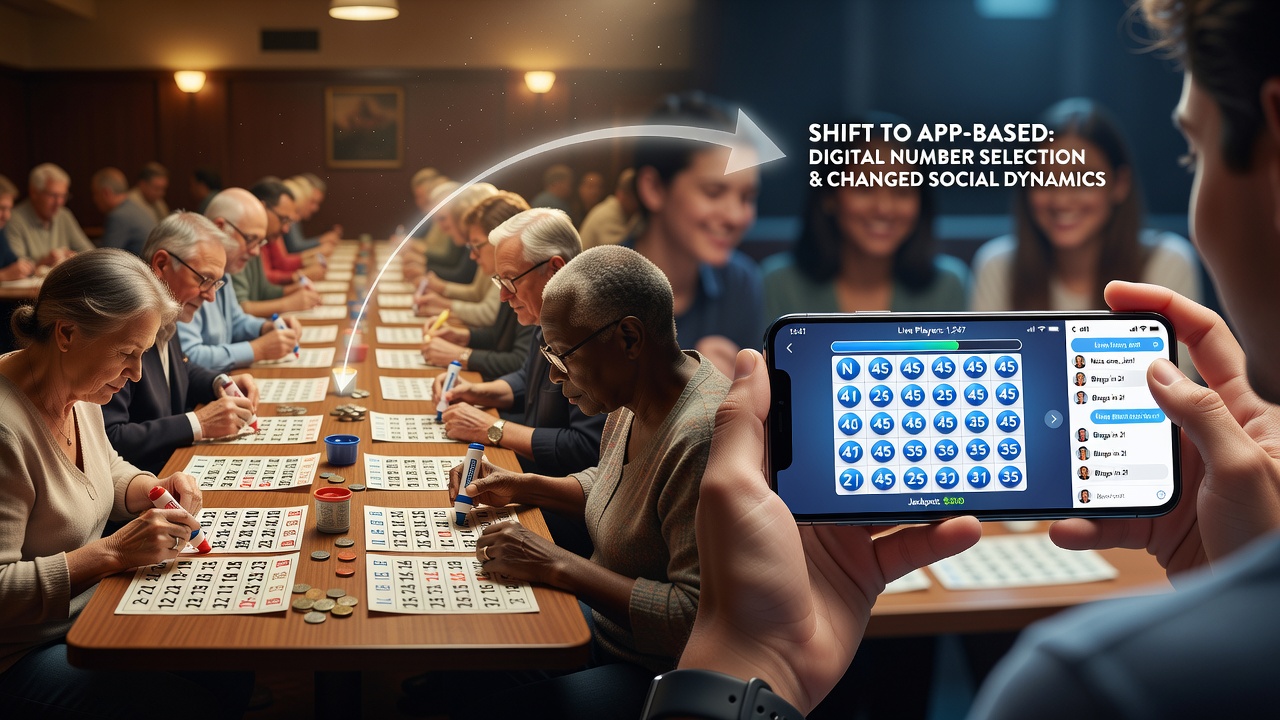
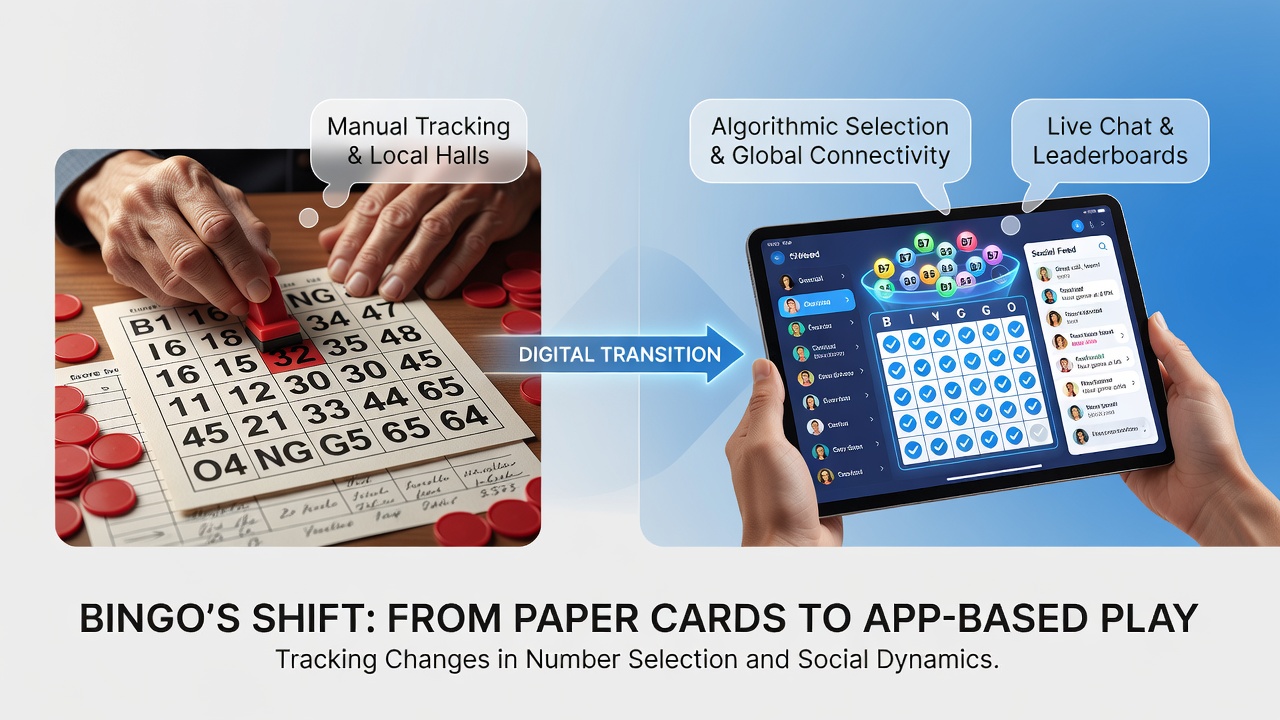
Paper-based bingo once dominated community halls and church basements where players marked numbers by hand with daubers or chips, yet the transition to app-based platforms has introduced automated number selection tools and real-time tracking features that alter how participants engage with the game itself. Data from gaming industry reports show that digital interfaces now handle random number generation through certified algorithms, and these systems often display suggested patterns or highlight frequently called numbers based on historical draws across multiple sessions. Observers note that players using apps can adjust filters to focus on specific number ranges, whereas traditional paper cards required manual scanning of the entire grid without assistance from software prompts.
Technological Drivers Behind the Transition
App developers integrated geolocation services and push notifications that alert users when games start in their area, and this functionality has expanded access for those unable to travel to physical venues on a regular basis. Research from university gaming studies indicates that mobile platforms process thousands of simultaneous entries during peak hours, while paper systems in halls typically accommodated limited seating based on physical capacity. Those who track adoption rates point out that regulatory bodies in several regions have approved digital randomizers that meet strict fairness standards, and these approvals occurred well before the projected market expansions expected through late 2026.
Shifts in Number Selection Patterns
Traditional bingo relied on callers drawing numbered balls from a cage or blower, creating a transparent but slower sequence that allowed everyone in the room to witness each draw. App-based versions replace this process with pseudorandom algorithms verified by independent testing labs, and players receive instant feedback on marked cards without needing to track every number manually. Studies from European gaming research centers reveal that some applications now offer historical call frequency charts, enabling users to review past results across hundreds of games before selecting cards with particular number distributions. Yet paper formats continue in many rural locations where internet connectivity remains inconsistent, preserving the original random draw method without digital overlays.
Changes in Social Dynamics
Community halls once served as gathering points where conversations flowed between games and players shared stories across tables, but app-based play frequently occurs in private settings or through online chat features that replace face-to-face exchanges. Data collected by Australian regulatory agencies shows increased participation among younger demographics who prefer mobile interfaces, while older players often maintain loyalty to in-person sessions that emphasize verbal interaction with callers and neighbors. One documented case from Canadian provincial gaming reports highlighted how linked bingo networks using apps connected multiple venues simultaneously, creating larger prize pools yet reducing the intimate atmosphere of single-location events. Observers have recorded that digital platforms incorporate emoji reactions and virtual high-fives during wins, functions designed to simulate some social elements though they lack the physical presence of shared spaces.
Regulatory and Market Context in 2026
By November 2026 several jurisdictions plan to review licensing frameworks for hybrid bingo formats that combine paper options with app support, and these reviews aim to ensure consistent player protections across both delivery methods. Industry associations have published guidelines recommending that apps display clear disclaimers about algorithm certification, and similar transparency requirements already apply to traditional ball-drawing equipment in licensed halls. Figures from North American market analyses indicate steady growth in app downloads during evening hours, coinciding with the period when many physical venues host their weekly sessions. This overlap suggests that some participants now alternate between formats depending on convenience rather than abandoning one entirely for the other.
Conclusion
The migration from paper cards to app-based bingo continues to reshape both the mechanics of number selection and the interpersonal connections formed during play, with each format retaining distinct advantages that appeal to different segments of the player base. Evidence from multiple regulatory sources confirms that certified digital systems maintain equivalent randomness standards to physical draws, while social patterns evolve alongside technological access. Those monitoring industry trends expect further refinements in app features through the coming years as developers respond to player feedback and updated compliance requirements across regions.